
Lemongrass Peanut Sauce

jump toRECIPE
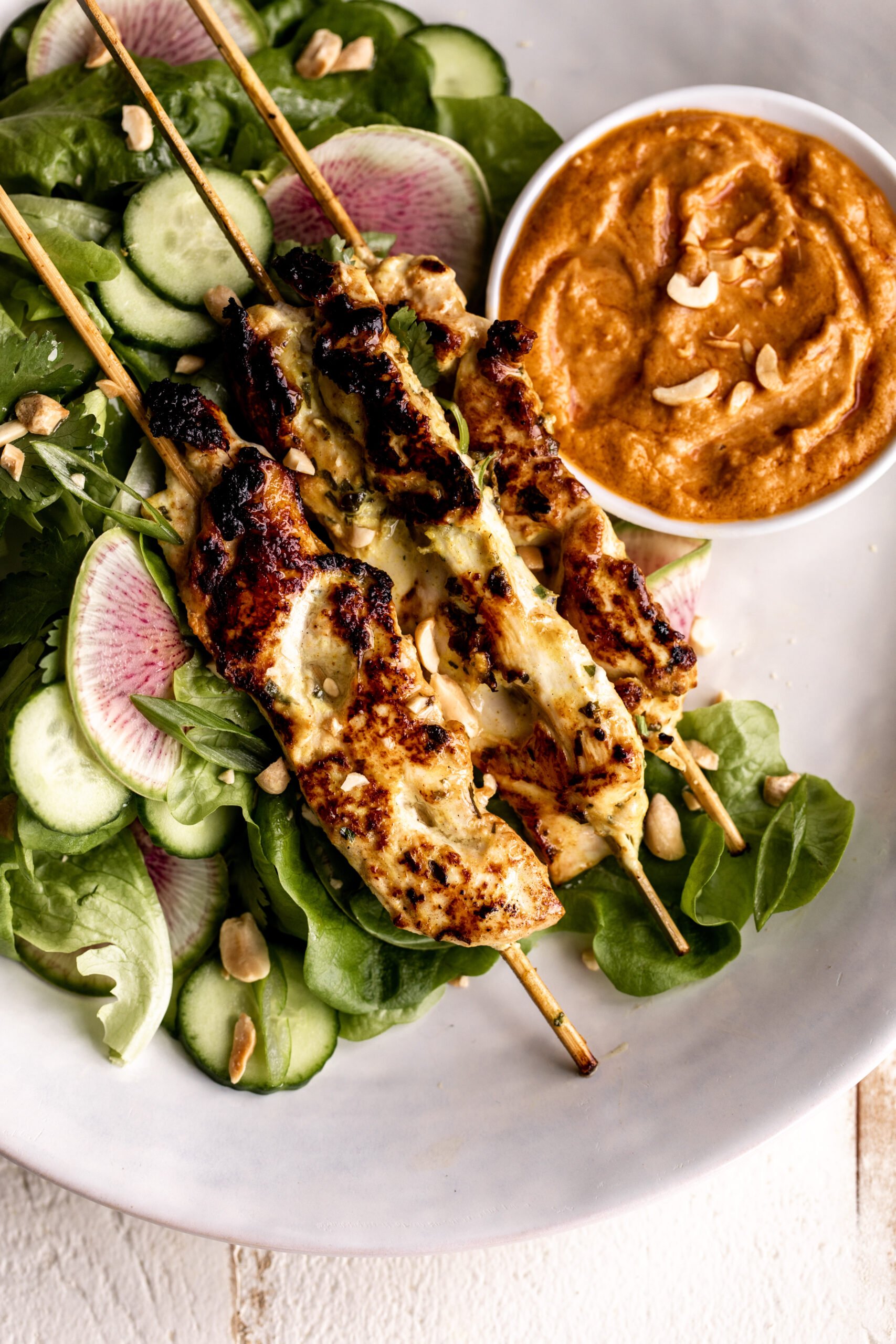
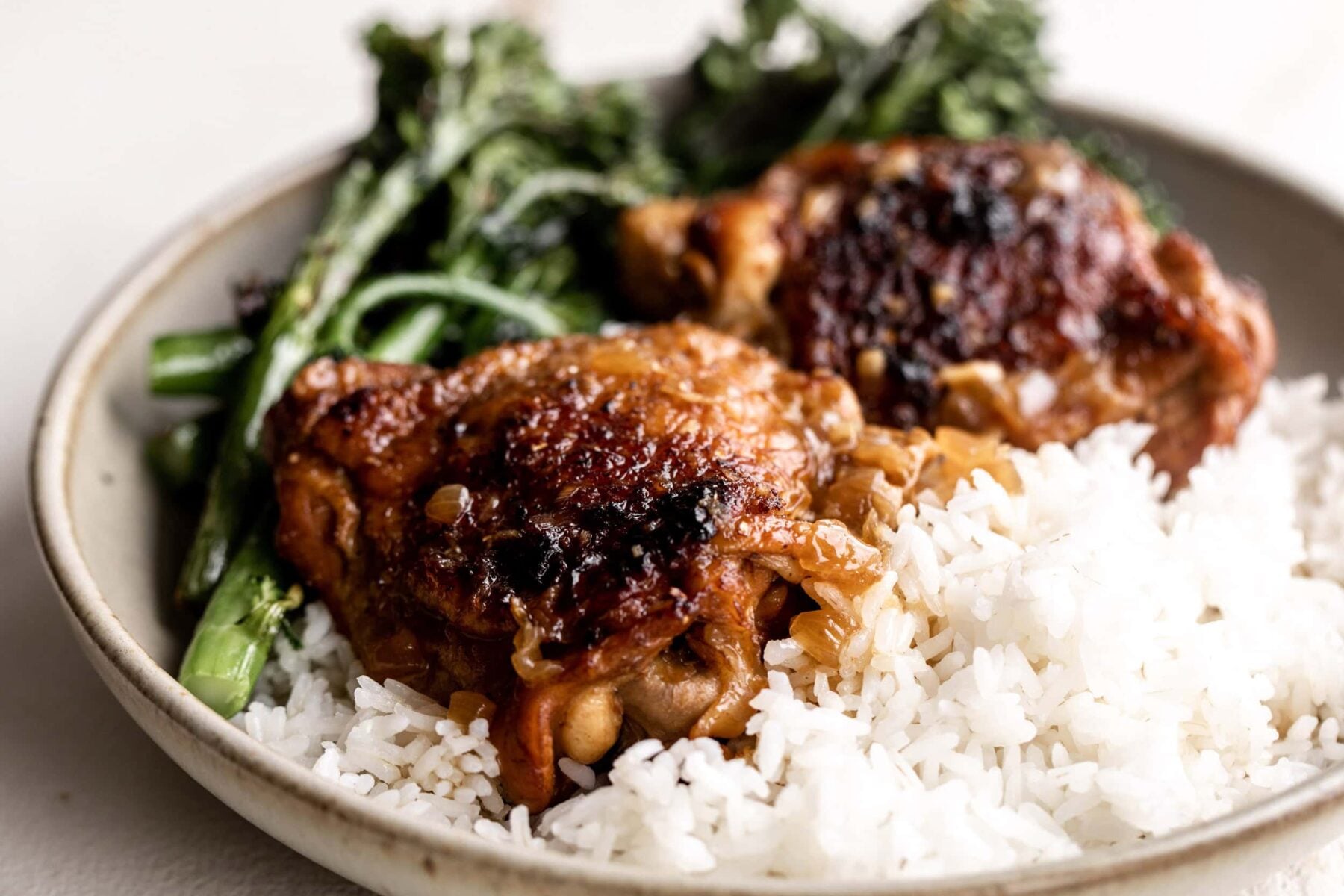
This vibrant lemongrass peanut sauce comes together in just two simple steps and adds a burst of flavor to almost any dish. Blending creamy peanut butter with aromatic lemongrass, tangy rice vinegar, and a touch of heat from sambal oelek, it’s a perfect balance of savory, spicy, and slightly sweet. Originally inspired by Indonesian satay sauce, this version leans into Thai and Malaysian flavors, making it a versatile condiment that’s just as good spooned over noodles as it is drizzled on grilled chicken or tofu. Keep a jar in the fridge for quick flavor boosts throughout the week. If you enjoy this sauce, try pairing it with braised lemongrass chicken thighs or pork wontons with peanut and chili sauce for a full Southeast Asian–inspired meal.
Why You’ll Love This Recipe
- Quick and easy: Comes together in just 5 minutes using pantry staples and a blender or food processor.
- Versatile: Works as a dipping sauce, salad dressing, or noodle topper — it’s endlessly adaptable.
- Packed with flavor: The combo of lemongrass, sesame oil, and sambal gives it a bold, aromatic kick that enhances any dish.
Key Ingredients in Lemongrass Peanut Sauce
- Peanut butter – You can use chunky peanut butter, but I prefer smooth to get a creamy sauce more easily. I recommend looking for a brand that only uses peanuts and salt in their ingredients.
- Rice vinegar – Rice vinegar is made through the process of fermenting rice. It has a much more mellow, less acidic flavor than other vinegars.
- Sesame oil – Sesame oil is made from pressing raw sesame seeds. It’s nutty flavor and high smoke point (410ºF/ 210ºC) make it a great cooking oil and flavoring for dishes. Darker toasted sesame oil has a stronger flavor and is great for finishing dishes while light sesame oil is more neutral in flavor.
- Sambal oelek – Sambal oelek can be found in the international sections of most grocery stores. It is a spicy Southeast Asian chili sauce that adds a sweet and spicy kick to any foods. Substitute with sriracha if you cannot find sambal.
- Soy sauce – I use reduced sodium soy sauce so that I can control the amount of salt in the recipe, adding more if needed. For a gluten free sauce substitute the soy sauce with tamari or coconut aminos.
- Lemongrass – Lemongrass adds a bright, lemony flavor to dishes. Fresh lemongrass is best for this recipe since it has a more complex flavor. Using a pre-packaged paste or dried lemongrass is also fine if needed. Only the bottom yellow part of the lemongrass stalk is used in cooking, the top part is typically much too tough.
- Water – I use a bit of warm water to help thin the sauce and achieve the desired consistency. A thinner sauce blends much easier and becomes smooth and creamy.
A full ingredient list with exact amounts can be found in the recipe card below.
Pro Tip
Use fresh lemongrass whenever possible — the bottom pale yellow portion has the most aroma and flavor. Bruise it with the back of your knife before slicing to release its natural oils for maximum impact.
Swaps & Substitutions
- Nut butter: Swap peanut butter for almond or cashew butter for a different flavor.
- Spice level: Add more sambal oelek or a pinch of red pepper flakes if you like extra heat.
- Soy sauce: Use tamari or coconut aminos for a gluten-free option.
- Sweetness: Add 1 teaspoon of honey, brown sugar, or maple syrup if you prefer a slightly sweeter sauce.
- Ginger kick: Grate in a teaspoon of fresh ginger for extra brightness.
- Lemongrass: If fresh lemongrass isn’t available, use 1 tablespoon of lemongrass paste or ½ teaspoon dried lemongrass.
Special Equipment
Food processor – I use a food processor to quickly combine my ingredients. It can also be done by hand if needed!
How to Make Lemongrass Peanut Sauce (Step-by-Step)
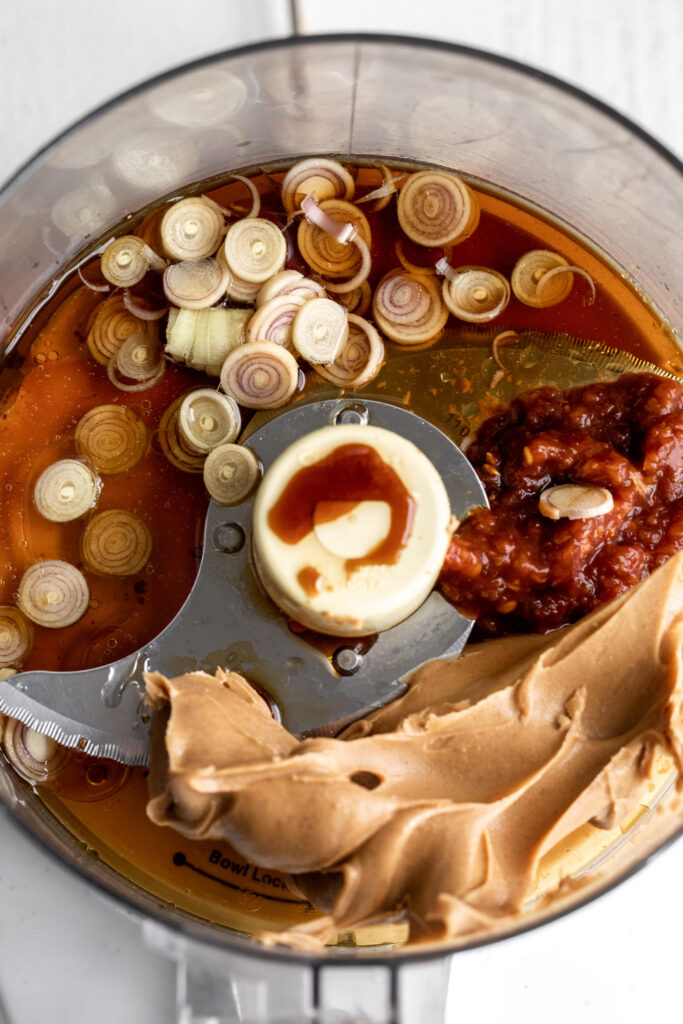
Add all ingredients to the bowl of a food processor or blender with ¼ cup warm water and process until smooth.
How to Serve Lemongrass Peanut Sauce
- As a dip: Perfect for satay, fresh spring rolls, or dumplings.
- With noodles: Toss with rice noodles, soba, or even spaghetti for an easy weeknight meal.
- For wraps: Use as a flavorful dip or drizzle for lettuce wraps, grilled chicken, or tofu.
- As dressing: Thin with water or coconut milk and toss with greens, cucumber, and carrots for a quick salad.
- Spring rolls – Use the peanut sauce for dipping spring rolls. Vietnamese Gỏi cuốn (also called fresh spring rolls or summer rolls) are a classic pairing with peanut sauce.
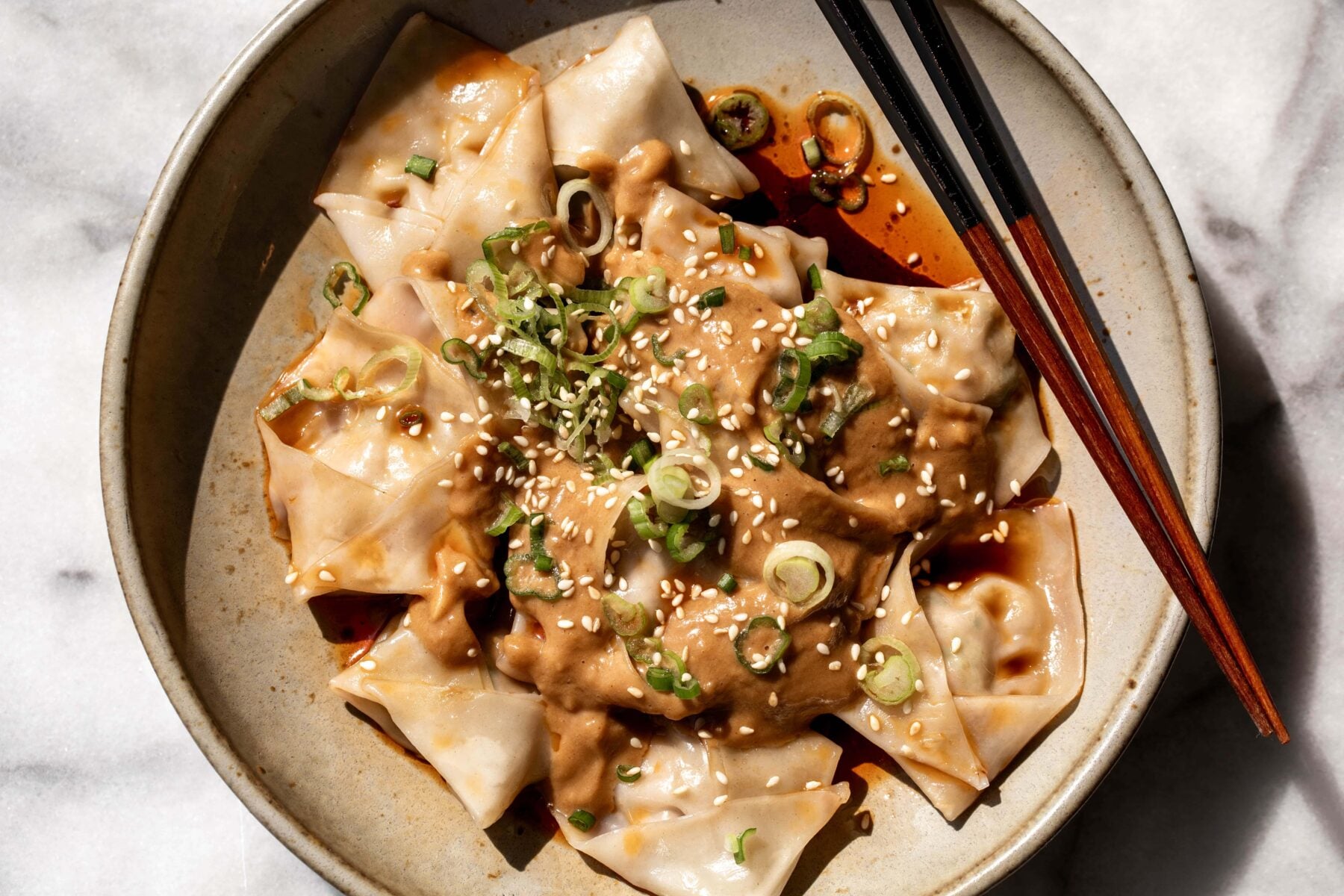
- Dumplings – One of my favorite Chinese restaurants in New York, Deluxe Green Bo , serves wontons in a combination of peanut sauce and chili oil for a contrast of flavors.
- On the grill: Brush over grilled shrimp or skewers for a nutty, spicy glaze.
How to Store Lemongrass Peanut Sauce
- Let the sauce cool completely, then transfer to an airtight container.
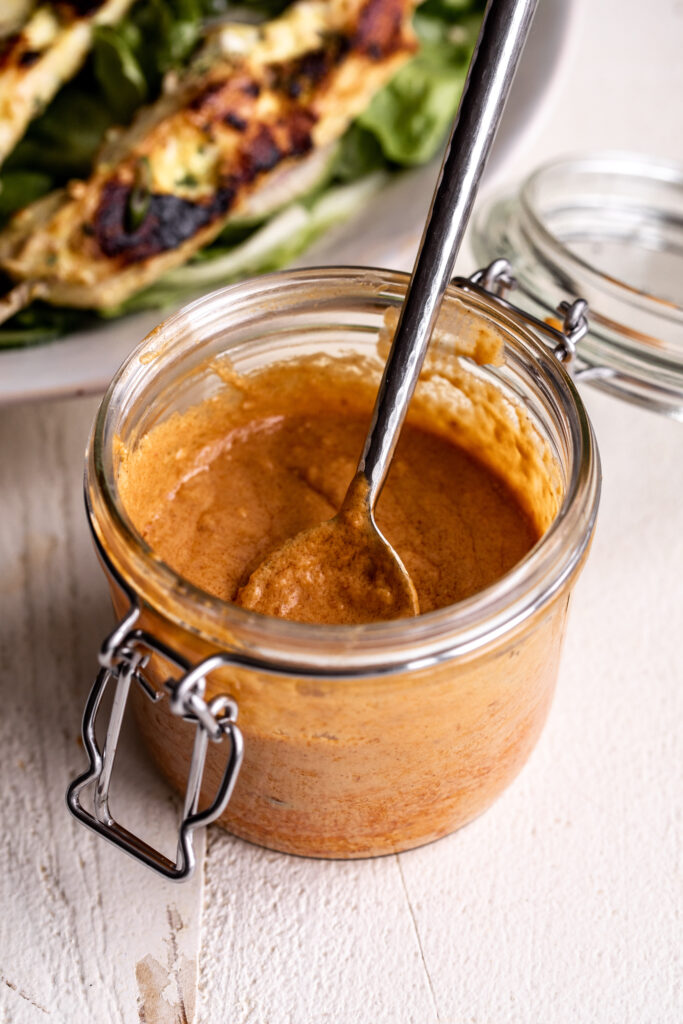
- Store in the refrigerator for up to 2 weeks.
- If the sauce thickens over time, whisk in 1–2 tablespoons of warm water before serving to loosen the texture.
FAQ – Frequently Asked Questions
Yes! Freeze in small airtight containers or silicone cubes for up to 3 months. Thaw in the fridge overnight and whisk before using.
Add a splash of coconut milk during blending for a richer, silkier texture.
Yes — substitute sunflower seed butter or tahini for a nut-free alternative.
For more tang, add rice vinegar; for extra sweetness, add a touch of maple syrup; for more saltiness, add a dash of soy sauce.
Other Recipes to Try
If you enjoy this recipe, I recommend checking out these:
Thanks for cooking with me! If you made this recipe, leave a 🌟 rating and share your thoughts or tips below. I’d love to hear from you!
Lemongrass Peanut Sauce Recipe
Rate this Recipe
Equipment:
Ingredients:
- ½ cup creamy peanut butter
- 2 tablespoons rice vinegar
- 2 tablespoon sesame oil
- 1½ tablespoons sambal oelek
- 1 tablespoon soy sauce
- 1 stalk lemongrass, bottom portion, thinly sliced
Instructions:
- Add all ingredients to the bowl of a food processor or blender with ¼ cup warm water and process until smooth.
- Use or store refrigerated in an airtight container for up to 2 weeks.
Notes:
Nutrition:
TAG ME ON INSTAGRAM TO BE FEATURED ON MY STORIES! @cookingwithcocktailrings
I put this ish on everything