

Salted Butterscotch Pots de Crème
jump toRECIPE
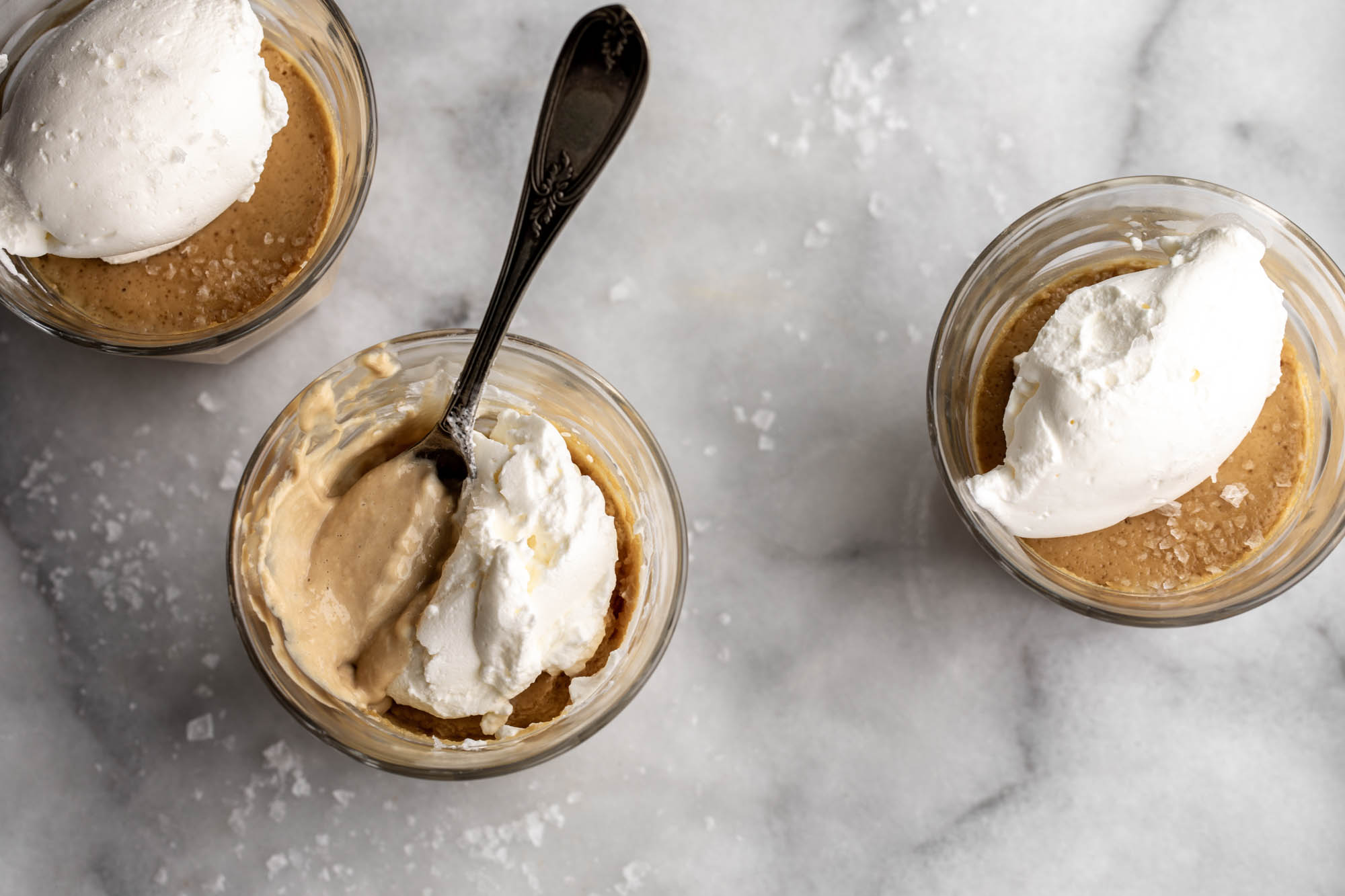
Salted butterscotch pots de crème are one of those desserts that feel deeply nostalgic and restaurant-worthy at the same time. I’ve always loved how butterscotch walks the line between rich caramelized flavor and a subtle bitterness from browned sugar, and here it’s transformed into a silky, spoonable custard with just the right touch of salt to keep it balanced. Pots de crème are a classic French dessert that essentially translates to “pots of cream,” and they’re known for their ultra-smooth, baked custard texture.
This version leans into deep butterscotch flavor while staying surprisingly simple to make at home with just a handful of ingredients and a low-and-slow bake. If you’ve never made custards before, this is an approachable place to start because the texture is forgiving and the result feels instantly impressive. If you loved these salted butterscotch pots de crème, try my tuxedo chocolate crème brûlée or these poached pears with vanilla ice cream next.
Why You’ll Love This Recipe
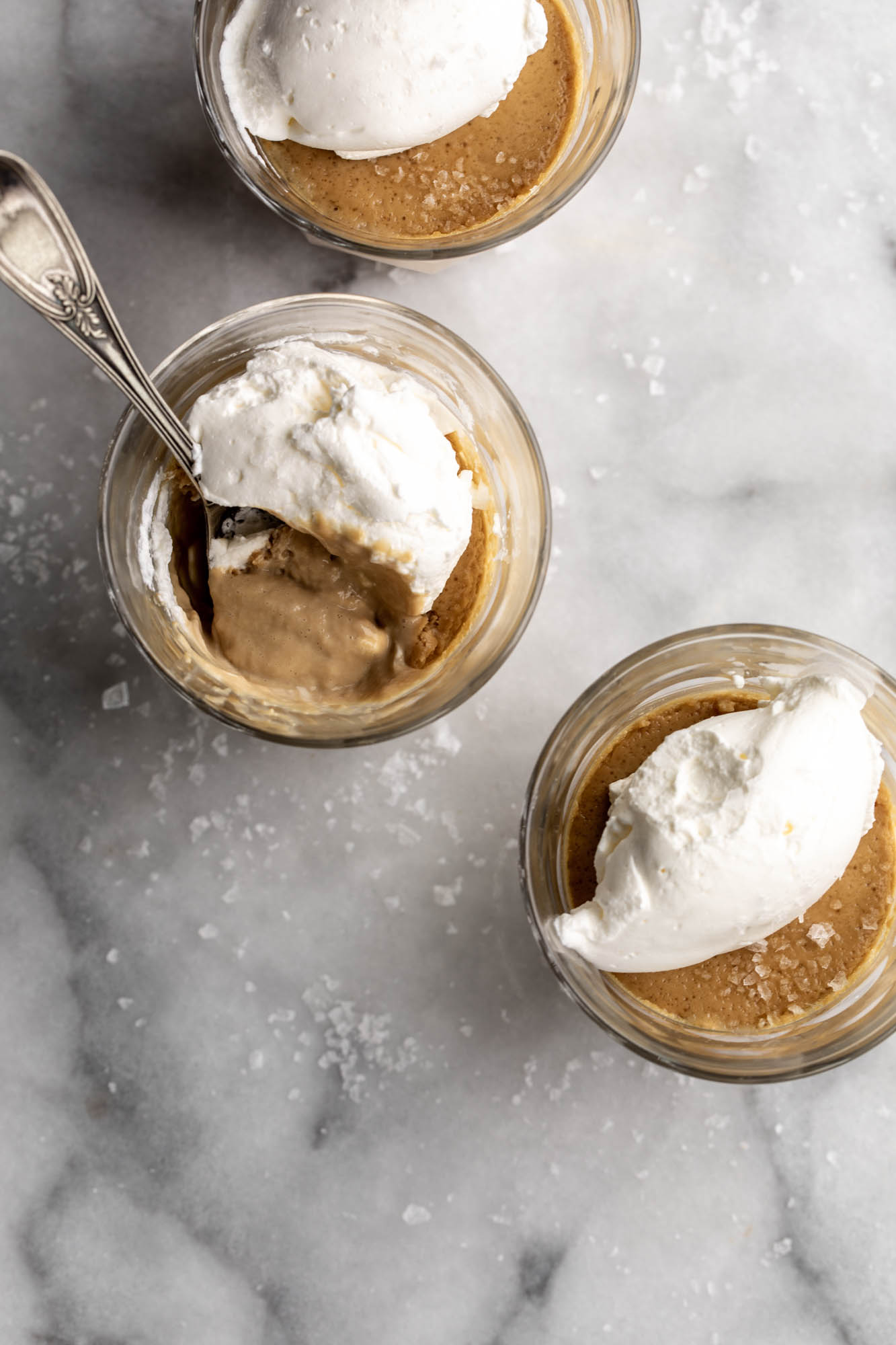
- Ultra creamy – The baked custard texture is silky, rich, and spoonable with no curdling or graininess when properly baked.
- Deep butterscotch flavor – Brown sugar and butter create a warm, caramel-like base balanced with a touch of salt.
- Make-ahead friendly – These pots de crème are meant to be chilled, making them perfect for entertaining or holidays.
Key Ingredients in This Recipe
- Cream – Heavy cream gives this custard it’s signature velvety texture.
- Egg yolks – The egg yolks work to thicken the custard while adding a rich flavor.
- Dark brown sugar – Dark brown sugar has a higher molasses content than its lighter counterpart. I used to use muscovado sugar (an unrefined cane sugar made with a higher molasses content than brown sugar) but it was often difficult to find so I began using dark brown sugar and adding additional molasses to enhance the flavor.
- Demerara sugar – Also called sugar in the raw, this sugar has a subtle natural sugar flavor.
- Whipped cream – While store bought whipped cream can be substituted for homemade whipped cream, the less sugary and richer homemade version better compliments the dessert.
- Sea salt – Coarse sea salt has a crunchy pyramid shape making it a wonderful finishing salt. I particularly like Maldon or Jacobson brand salts. In this dessert it contrasts the sweet custard well.
A full ingredient list with exact amounts can be found in the recipe card below.
Pro Tip
Strain the custard mixture through a fine-mesh sieve before baking to ensure the smoothest possible texture and eliminate any bits of cooked egg or undissolved sugar.
Swaps and Substitutions
- Brown sugar: Light or dark brown sugar both work, with dark giving a deeper molasses flavor.
- Heavy cream: Do not substitute with lower-fat dairy, as it will affect the custard texture.
- Egg yolks: Essential for richness and structure, and should not be replaced.
- Vanilla extract: Vanilla bean paste can be used for a more pronounced vanilla flavor.
- Flaky salt: Swap with fine sea salt if needed, but reduce slightly to avoid over-salting.
How to Make Butterscotch Pots de Creme (Step-by-Step)
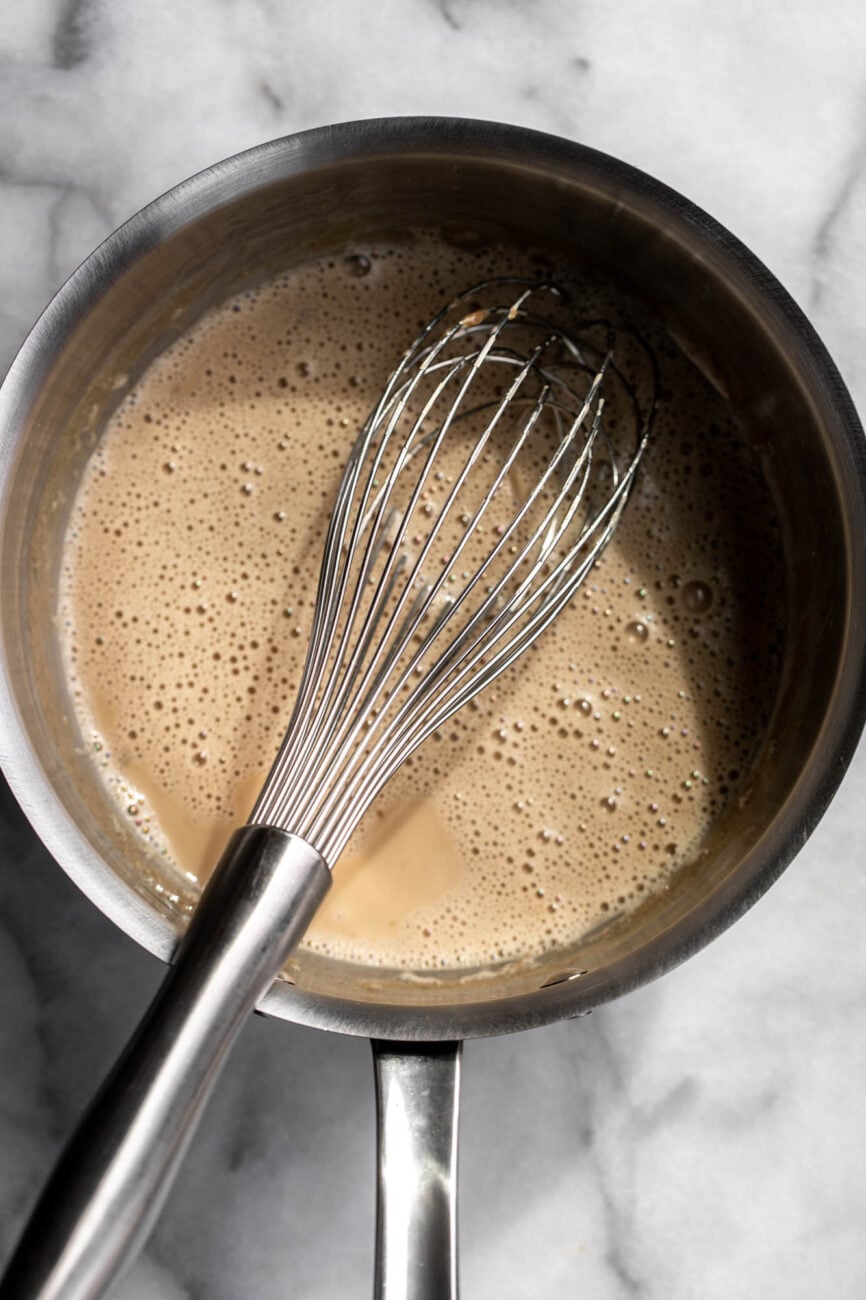
Preheat the oven to 300°F (150ºC). In a small saucepan over medium heat, bring 1¾ cups (406g) of heavy cream, brown sugar, molasses and salt to a simmer, stirring until the sugar is completely dissolved and the mixture is heated but not simmering. Remove the pan from heat.
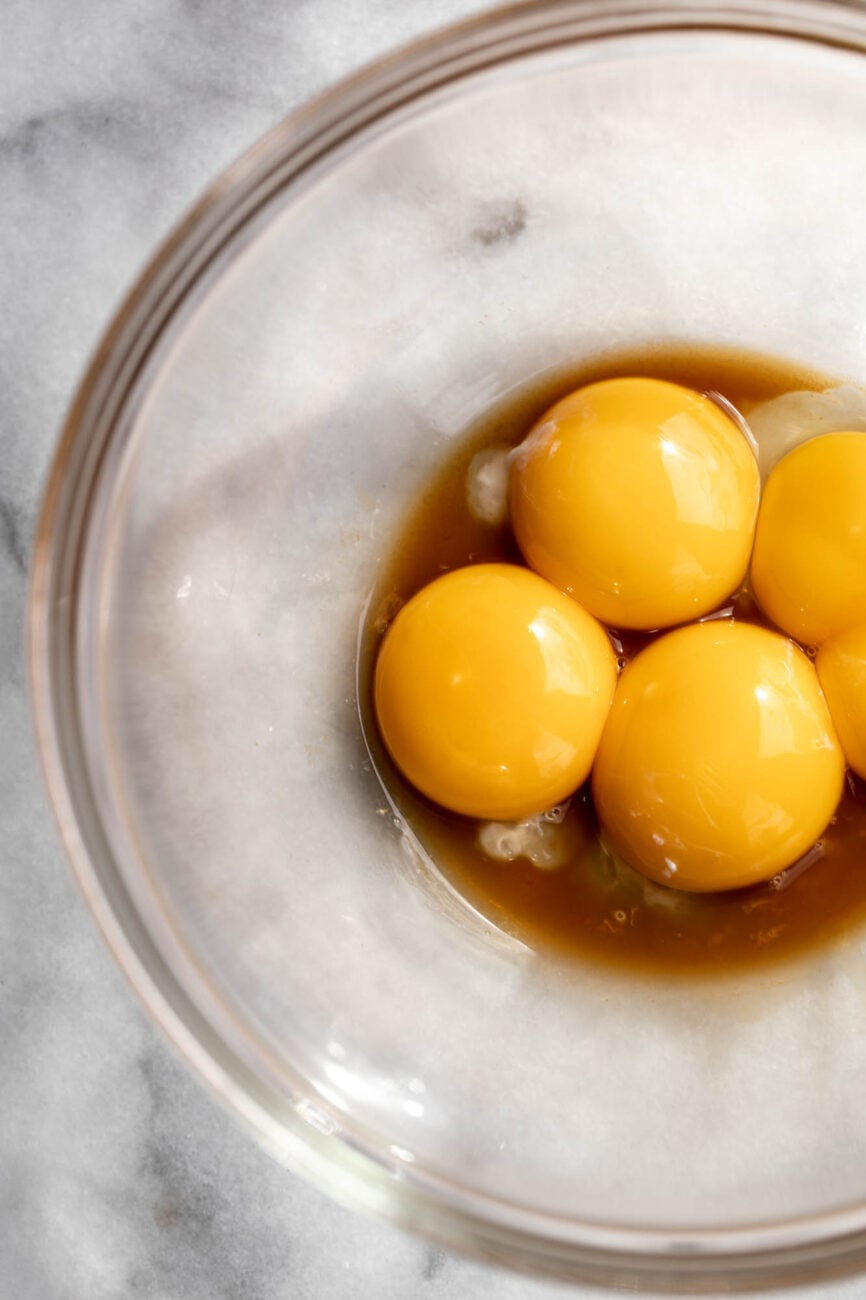
In a large mixing bowl whisk together the egg yolks and vanilla. Slowly add ½ cup (113g) of the cream mixture in a steady stream, whisking vigorously until thoroughly combined.
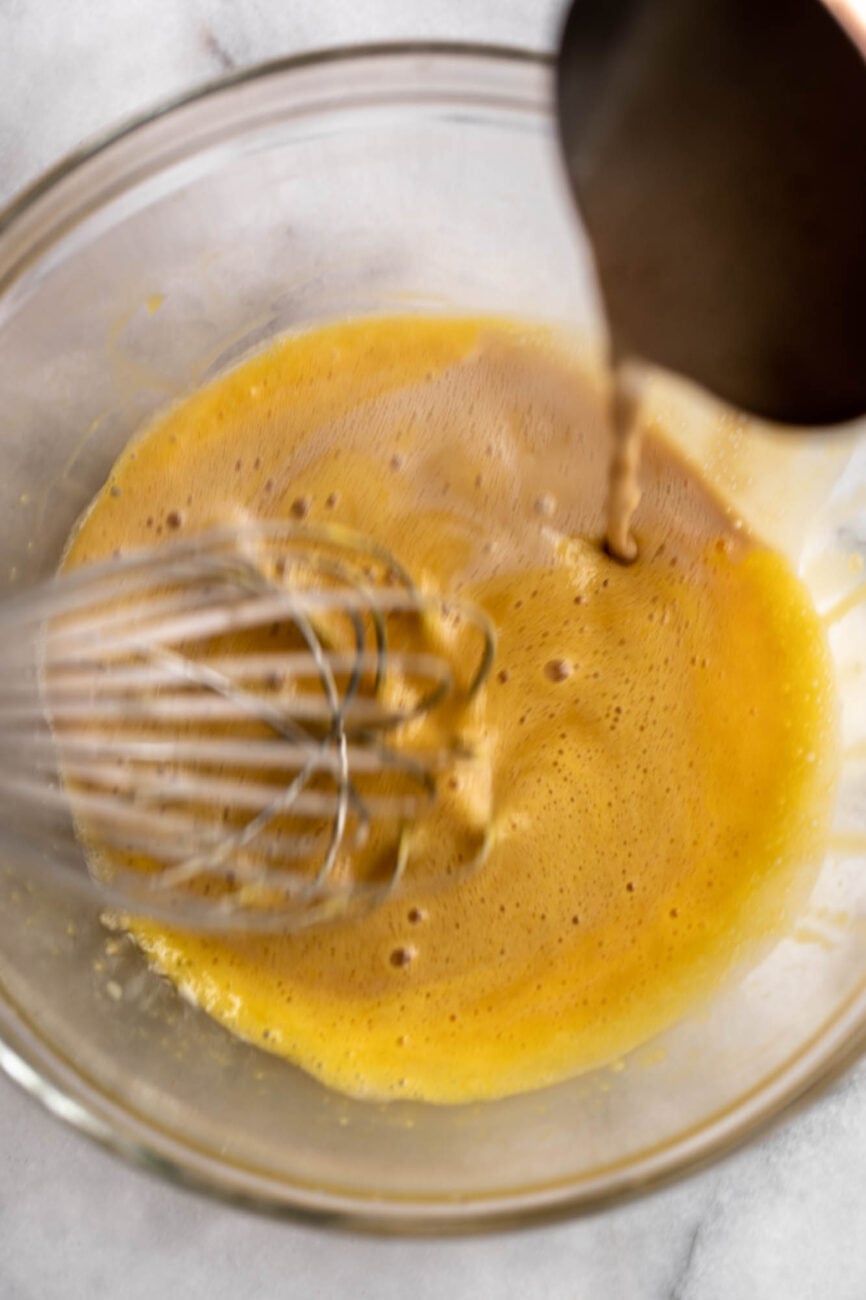
Slowly pour the egg mixture into the cream mixture, whisking constantly. Let cook over low heat, whisking constantly until the mixture coats the back of a spoon, about an additional 1 to 2 minutes. Pour the custard through a fine-mesh sieve into a medium mixing bowl. Skim off any foam with a spoon and discard.
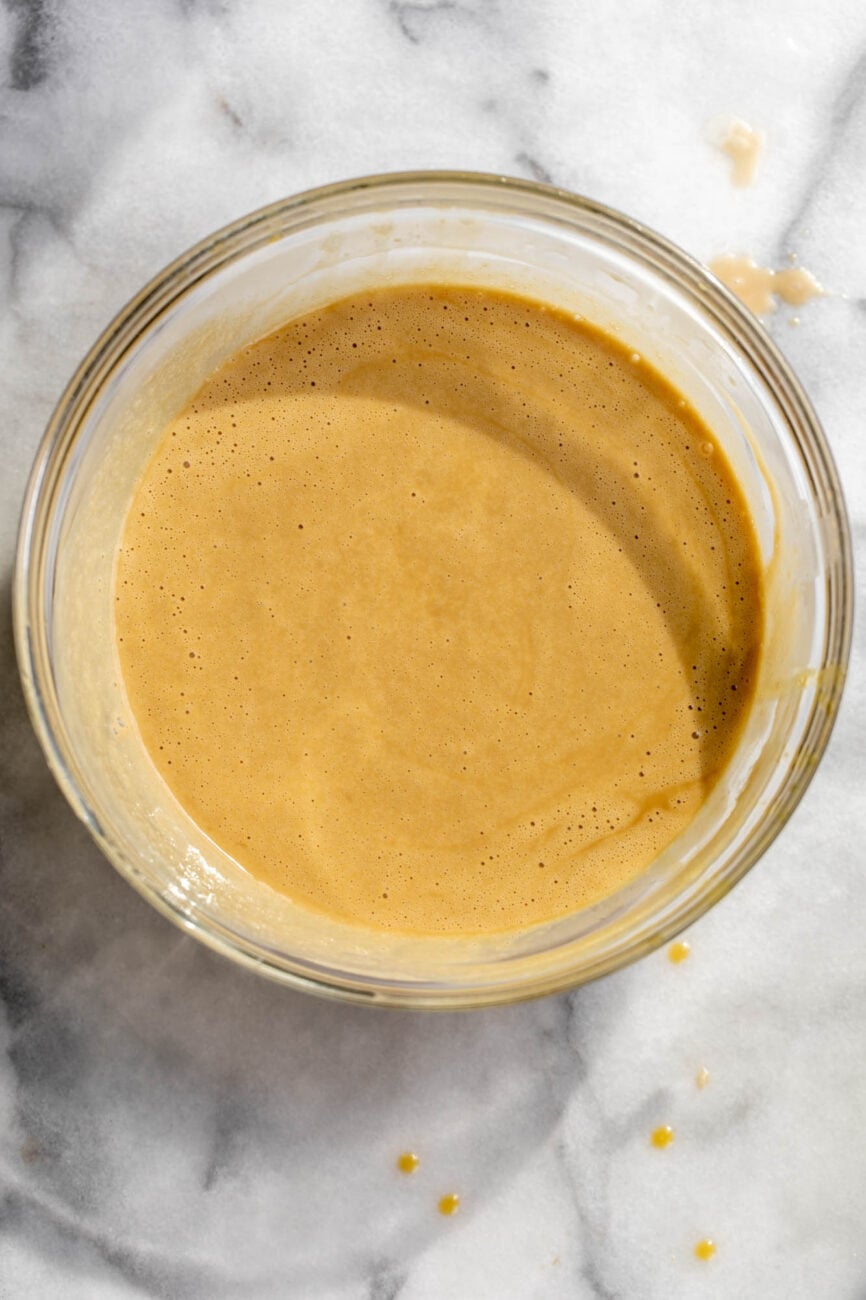
Evenly divide the custard among the ramekins. Arrange the ramekins in a roasting pan or large Dutch oven and add boiling water until the ramekins are covered about half way up.
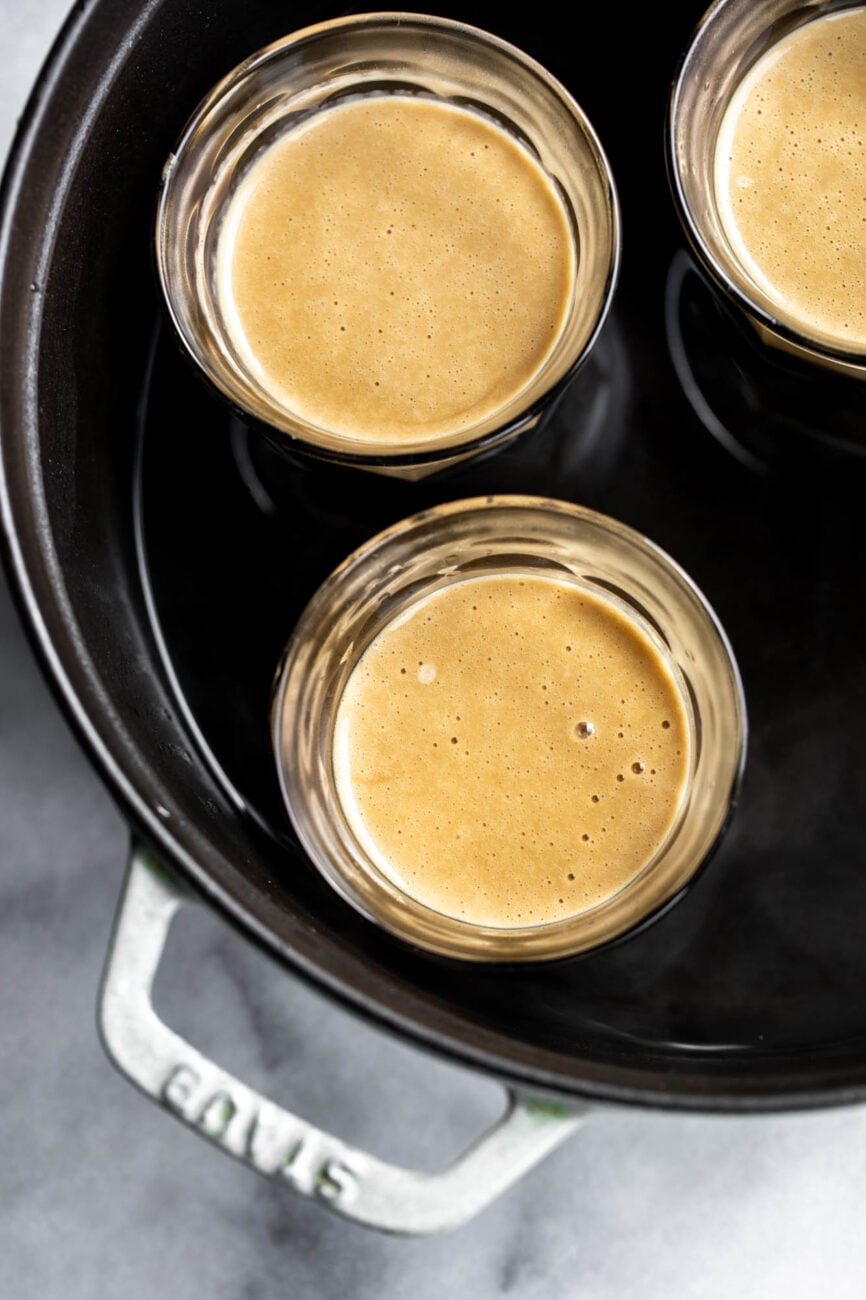
Move to the oven and bake until the custards are set around the edges but not fully cooked through, about 40 minutes. Begin checking at 30 minutes. The time may vary depending on the thickness and color of the ramekins.
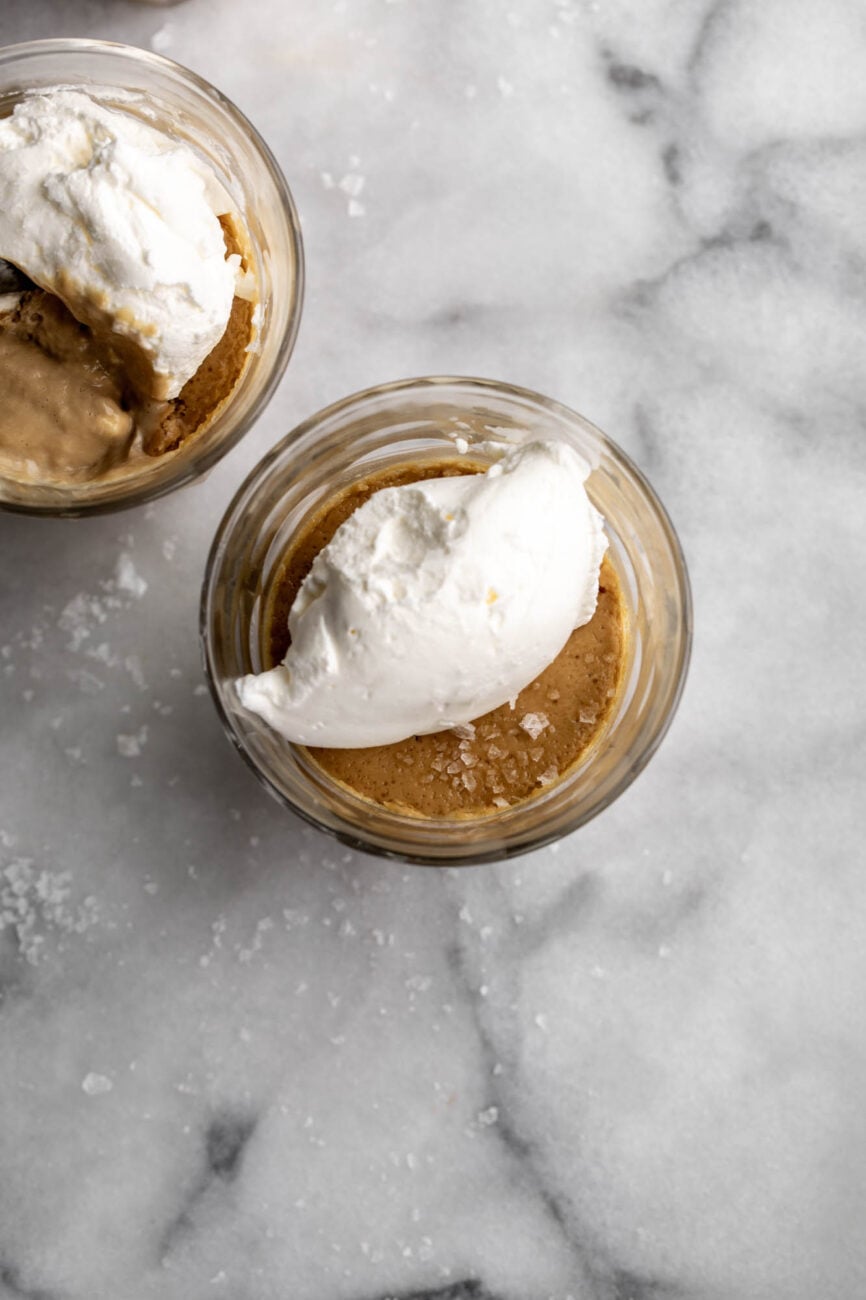
Transfer the ramekins to a rack and let cool. Refrigerate until chilled, at least 2 hours. The custard will continue to set as it cools.
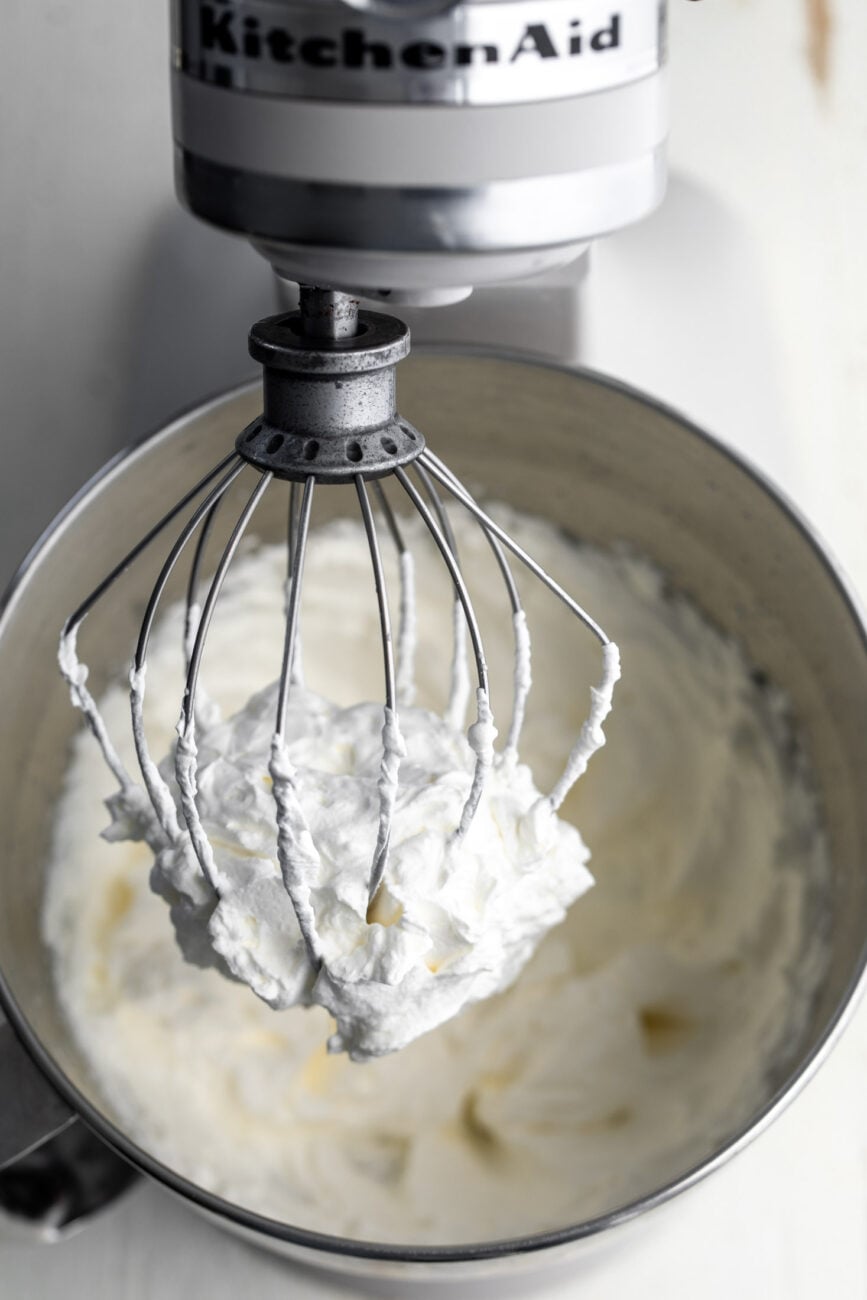
While the pots de crème cool, add the remaining cup of cream to a medium mixing bowl and whisk until the cream forms stiff peaks. Refrigerate until ready to serve.

Serve the chilled pots de crème topped with a spoonful of whipped cream and sprinkle sea salt.
How to Serve This Recipe
- Chilled presentation: Serve straight from the refrigerator for the best silky texture contrast.
- Finishing touch: Top with whipped cream, flaky salt, or a sprinkle of crushed toffee before serving.
- For entertaining: Portion into small ramekins so guests can enjoy a few spoonfuls without it feeling too heavy.
- Holiday dessert table: Pair with other small-format desserts for a French-inspired spread.
How to Store This Recipe
- Refrigerator: Store covered pots de crème in the refrigerator for up to 4 days.
- Covering: Press plastic wrap directly onto the surface or cover tightly to prevent a skin from forming.
- Make ahead: These are best made at least 4 hours in advance or up to 1 day before serving.
- Do not freeze: Freezing will break the custard texture and is not recommended.
FAQ – Frequently Asked Questions
Tempering means you slowly combine beaten eggs at room temperature with a hot liquid without cooking or scrambling the eggs. This is common in custards to achieve a silky texture. To temper the eggs a small amount of the hot liquid is whisked into the eggs to slowly bring the temperature up before they are added to the remaining hot liquid. This method keeps the egg from cooking immediately when added to the hot mixture.
Cooking the individual ramekins of custard in a water bath, also called a bain marie, helps the custard to cook evenly. This method is ideal for delicate mixtures like custard or cheesecake. The even cooking at a more constant temperature keeps cracks from forming in the surface caused by rapid expansion of the mixture.
Grainy texture usually happens when the custard is overbaked or not strained before baking. Low, gentle heat and proper straining help ensure a smooth result.
Yes. They are ideal for making ahead and should chill for at least a few hours before serving, making them perfect for entertaining.
Heavy cream is strongly recommended because it creates the rich, stable custard texture that defines pots de crème.
Other Recipes to Try
If you loved making this impressive, yet nostalgic dessert, take a look at some of my favorite sweet treats below:
Thanks for cooking with me! If you made this recipe, leave a 🌟 rating and share your thoughts or tips below. I’d love to hear from you!
Salted Butterscotch Pots de Crème
Rate this Recipe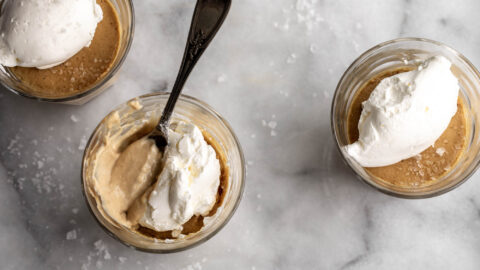
Equipment:
- 4 (4-ounce) ramekins
Ingredients:
- 2 ¾ cups heavy cream, divided
- ⅓ cup dark brown sugar
- 2 teaspoons unsulphured dark molasses
- ½ teaspoon kosher salt
- 4 large egg yolks
- 1 teaspoon vanilla
- Maldon sea salt, for serving
Instructions:
- Preheat the oven to 300°F (150ºC).
- In a small saucepan over medium heat, bring 1¾ cups (406g) of heavy cream, brown sugar, molasses and salt to a simmer, stirring until the sugar is completely dissolved and the mixture is heated but not simmering. Remove the pan from heat.
- In a large mixing bowl whisk together the egg yolks and vanilla. Slowly add ½ cup (113g) of the cream mixture in a steady stream, whisking vigorously until thoroughly combined.
- Slowly pour the egg mixture into the cream mixture, whisking constantly. Let cook over low heat, whisking constantly until the mixture coats the back of a spoon, about an additional 1 to 2 minutes. Pour the custard through a fine-mesh sieve into a medium mixing bowl. Skim off any foam with a spoon and discard.
- Evenly divide the custard among the ramekins. Arrange the ramekins in a roasting pan or large Dutch oven and add boiling water until the ramekins are covered about half way up.
- Move to the oven and bake until the custards are set around the edges but not fully cooked through, about 30 to 40 minutes. Begin checking at 30 minutes. The time may vary depending on the thickness and color of the ramekins.
- Transfer the ramekins to a rack and let cool. Refrigerate until chilled, at least 2 hours. The custard will continue to set as it cools.
- While the pots de crème cool, add the remaining cup of cream to a medium mixing bowl and whisk until the cream forms stiff peaks. Refrigerate until ready to serve.
- Serve the chilled pots de crème topped with a spoonful of whipped cream and sprinkle sea salt.
Notes:
Nutrition:
TAG ME ON INSTAGRAM TO BE FEATURED ON MY STORIES! @cookingwithcocktailrings
Recipe adapted from Epicurious.com.



I have made this dessert for many dinners, and it has always been a huge hit!