
Kabocha Squash Mac and Cheese
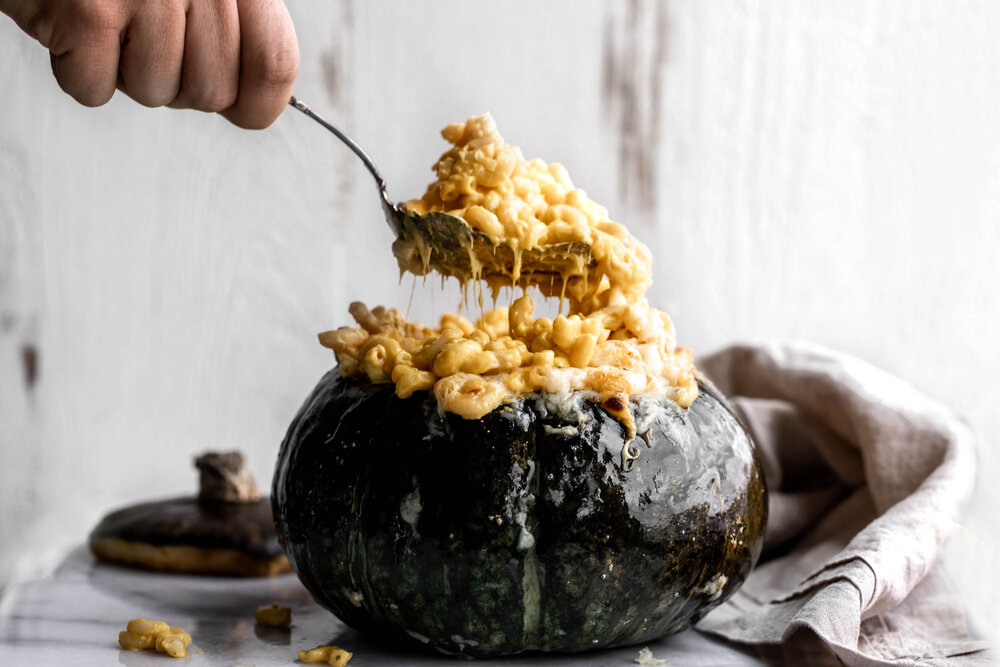
This creamy Kabocha Squash Mac and Cheese is a cozy, fall-inspired twist on a classic comfort food. Sweet roasted kabocha squash blends into a rich Gruyère mornay sauce with fragrant rosemary for a luxurious flavor and velvety texture. It’s an elegant, seasonal side dish or main course that feels special enough for entertaining but simple enough for weeknights. If you love this recipe, try my green chili skillet mac and cheese or butternut squash soup with maple cream next.
Why You’ll Love This Recipe
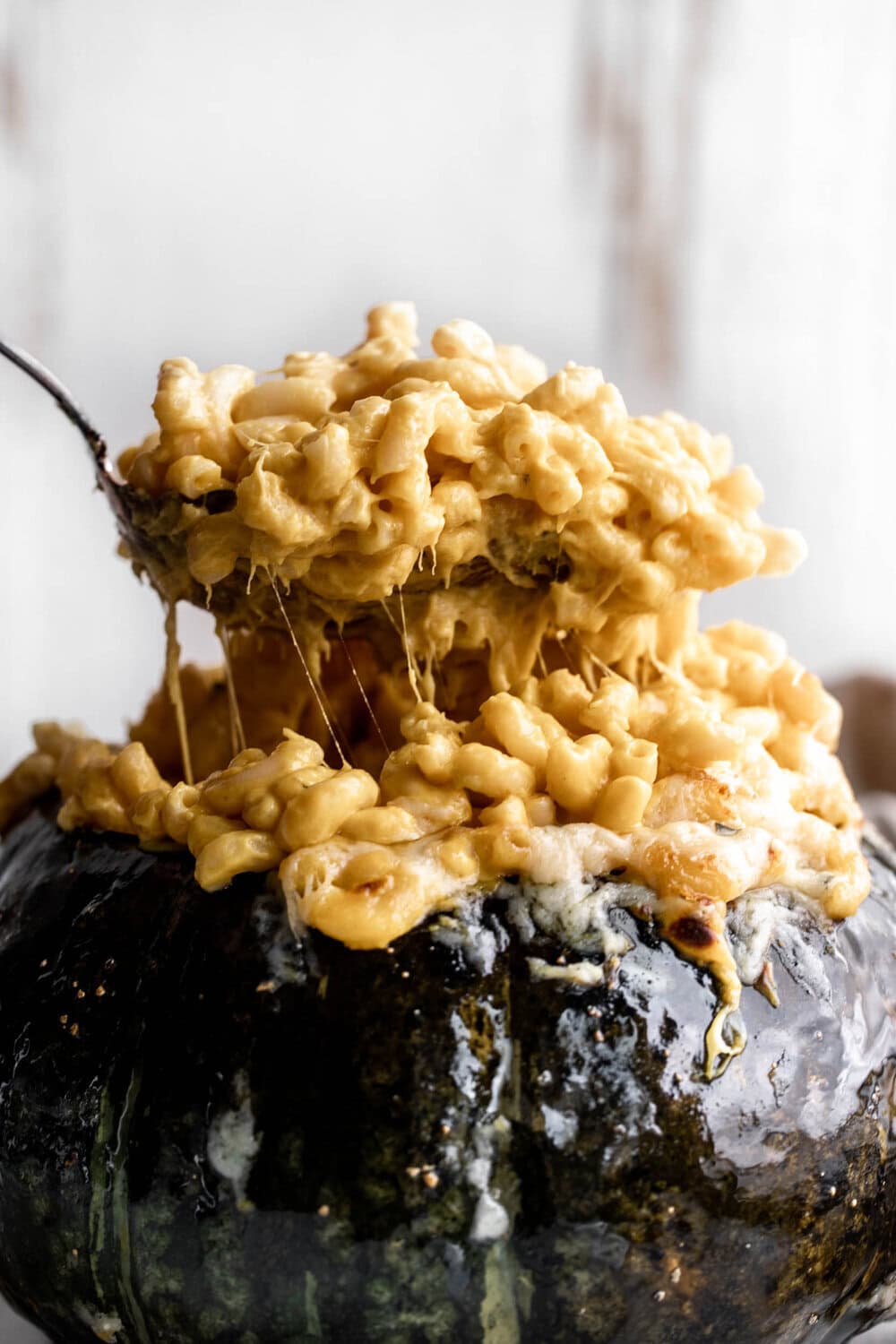
- Rich and Creamy Texture: The roasted kabocha squash creates a silky smooth sauce that perfectly coats every noodle.
- Nutty, Savory Flavor: Gruyère cheese and rosemary add depth and a hint of nuttiness that balance the natural sweetness of the squash.
- Seasonal and Impressive: Serving the mac and cheese in roasted squash bowls makes for a show-stopping presentation with minimal extra effort.
Key Ingredients in This Recipe
- Kabocha squash – Kabocha squash, also known as Japanese pumpkin, has a flavor similar to sweet potatoes and a creamy, velvety texture when it’s roasted. The flesh of kabocha squash is extremely sweet. This squash is available all year round though it can be most easily found during fall, it’s peak season.
- Bechamel sauce – Bechamel sauce is made from a roux base. Flour is cooked in butter to reduce the flavor of the flour in the sauce. It’s then simmered with whole milk to make a thick, creamy sauce. Once the gruyere cheese is added it becomes a mornay sauce. Once its blended with the squash it will become the base of the mac and cheese.
- Gruyère – Gruyère is a hard cheese with a nutty, sweet flavor from Switzerland. The fact that it melts well (due to a high water to oil ratio) mixed with it’s distinct flavor makes it the perfect addition to anything from sandwiches to mac and cheese or fondue. If you can’t find Gruyère, I recommend substituting with another Swiss cheese like Emmental.
A full ingredient list with exact amounts can be found in the recipe card below.
Pro Tip
When blending the squash and cheese sauce, let the mixture cool slightly first — blending hot liquids can cause pressure to build up. This step ensures a smooth, creamy consistency without splattering.
Swaps and Substitutions
- Squash: Substitute kabocha with butternut, honeynut, or sugar pumpkins for similar sweetness and creamy texture.
- Cheese: Swap Gruyère with Emmental, fontina, or sharp cheddar if preferred.
- Pasta: Elbow macaroni can be replaced with cavatappi, penne, or shells for the same comforting texture.
- Milk: Whole milk can be swapped with 2% milk or a creamy non-dairy milk like oat or cashew for a lighter or dairy-free version.
- Herbs: If you don’t have fresh rosemary, thyme or sage work well to add a warm, aromatic note.
How to Make Kabocha Squash Mac and Cheese (Step-by-Step)
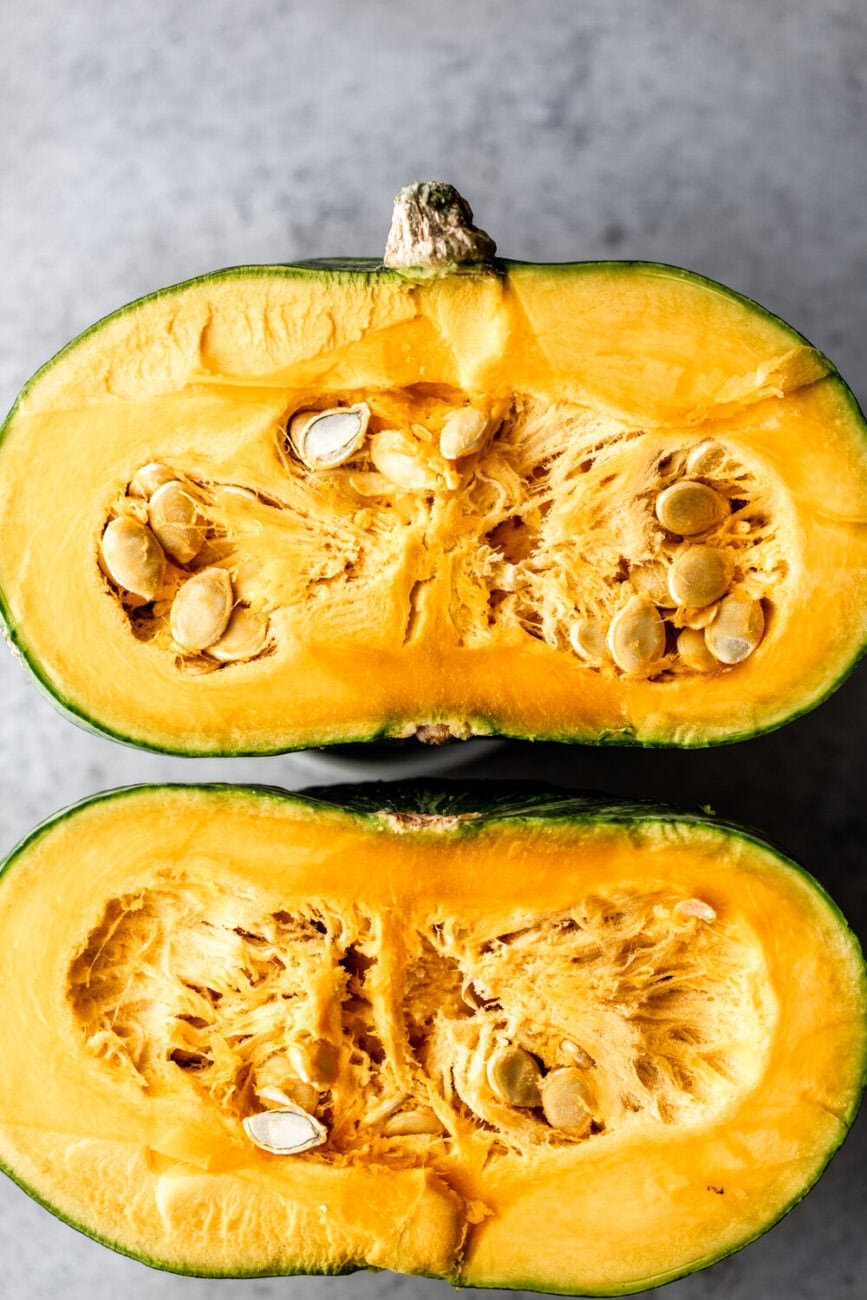
Using a sharp chef knife or serrated knife at a 45º angle to cut out the top of the squash. Use a spoon to scoop out the seeds and discard. Rub the inside of the squash and top of the lid with the stem with olive oil and arrange on a baking sheet. Roast until the squash is soft, about 35 minutes.
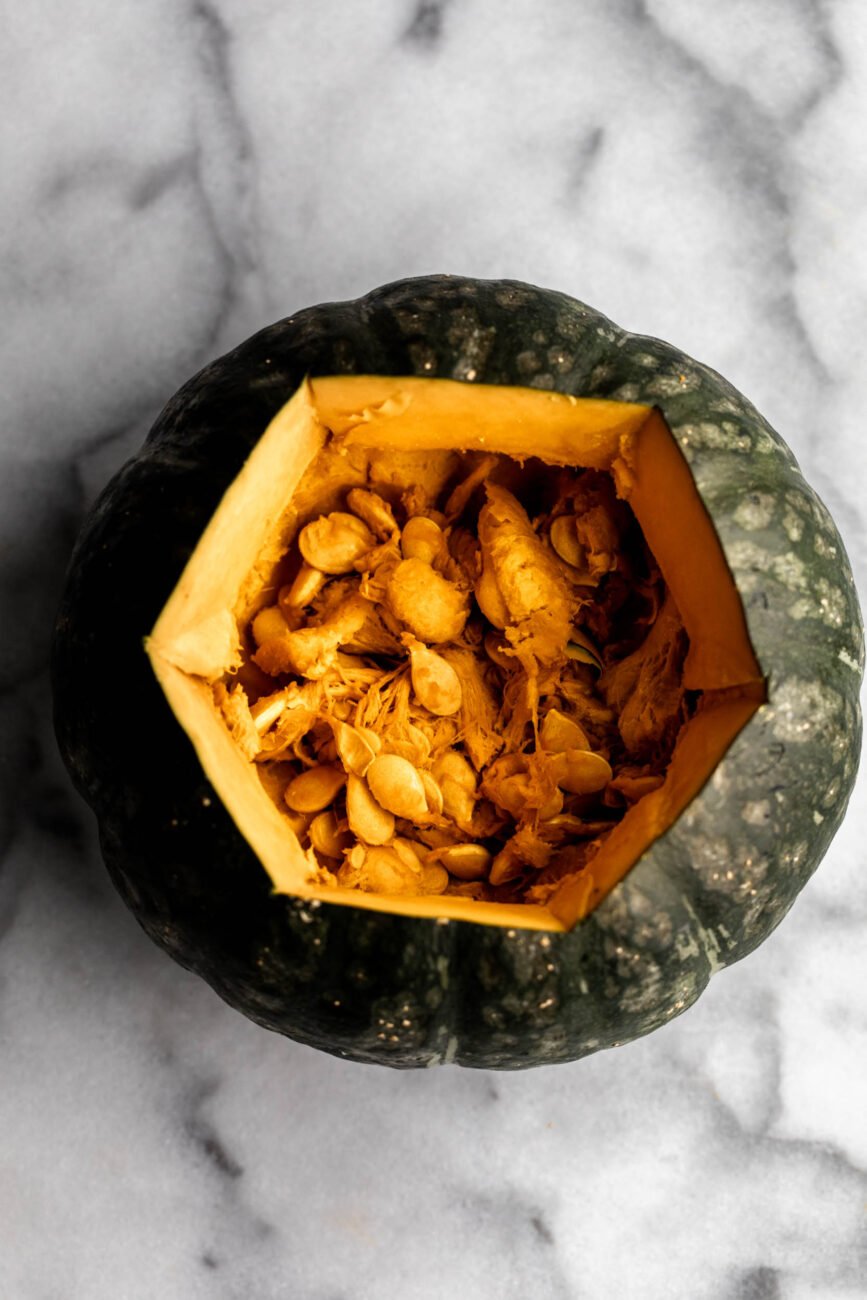
Let the squash cool to the touch then use a spoon to scrape the flesh from the inside until you have 1 cup of squash and set aside.
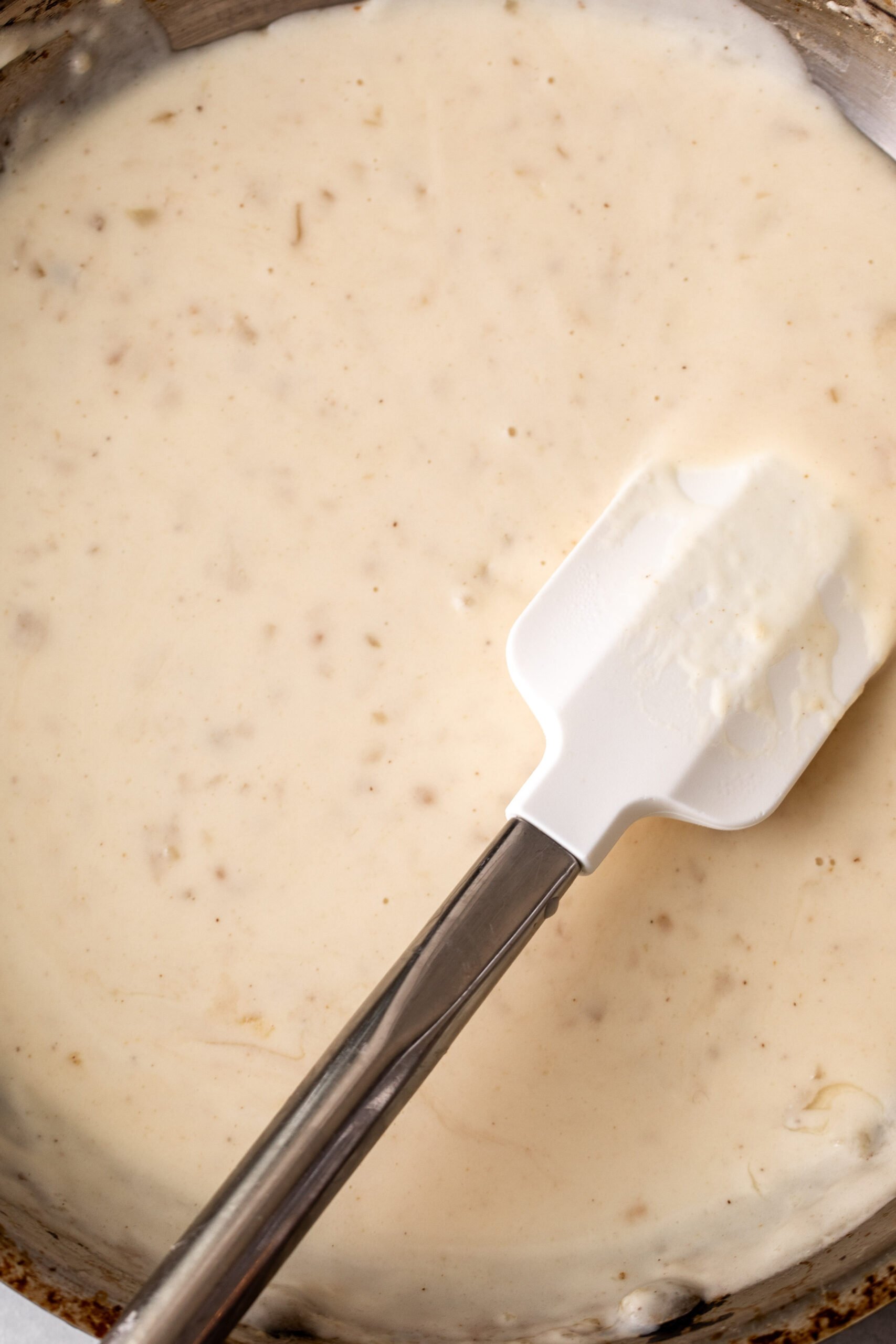
Heat a large saucepan over medium heat, add the butter and allow to melt. Add the rosemary stirring occasionally until fragrant, about 30 seconds. Stir in the flour and cook until pale golden brown then whisk in the milk. Bring the mixture to a boil then lower the heat to medium-low. Cook, stirring occasionally, until the sauce coats the back of a spoon, about 5 minutes.
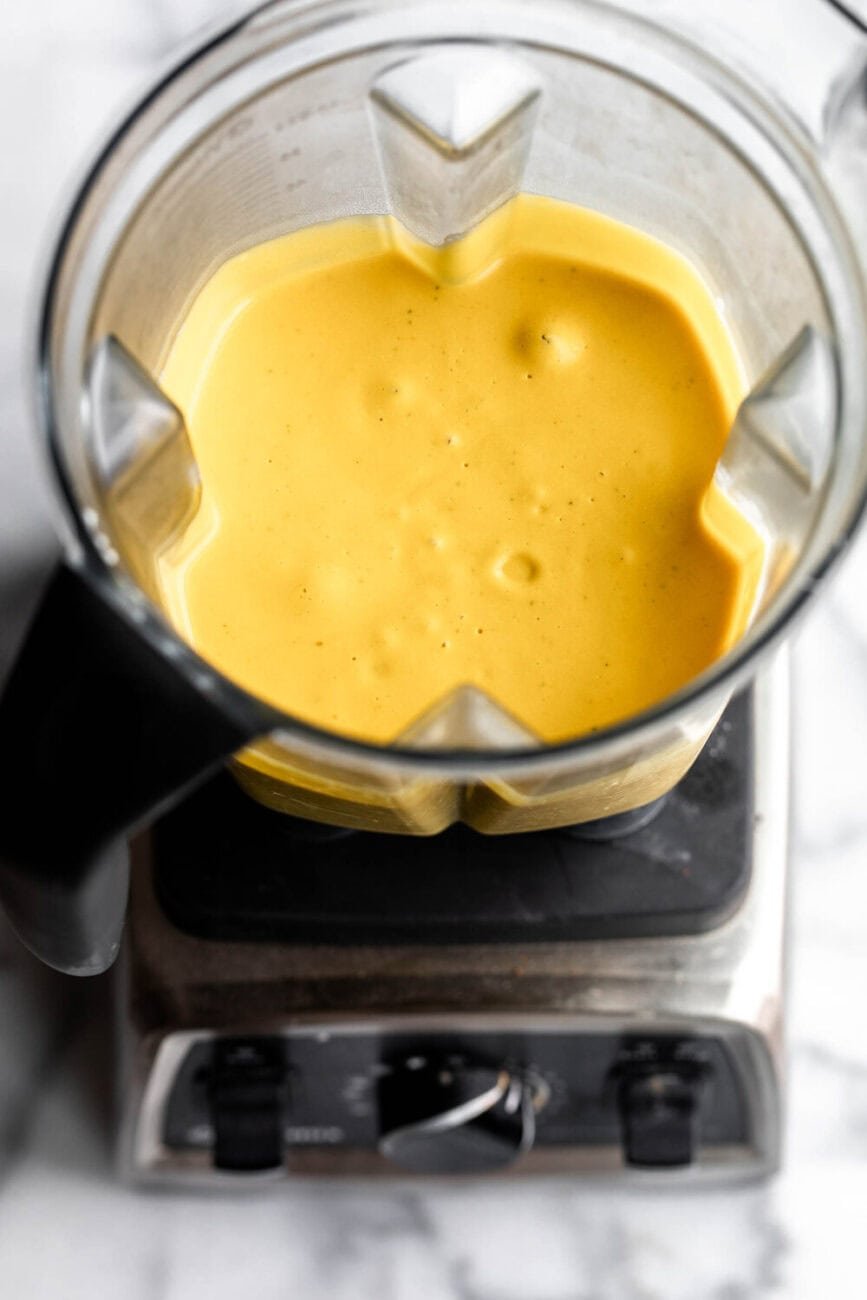
Slowly add 1½ cups of the gruyere stirring until all the cheese has been completely incorporated. Remove from heat and let cool slightly. Add the mixture and the squash to a blender and blend until smooth. Return to the pot.
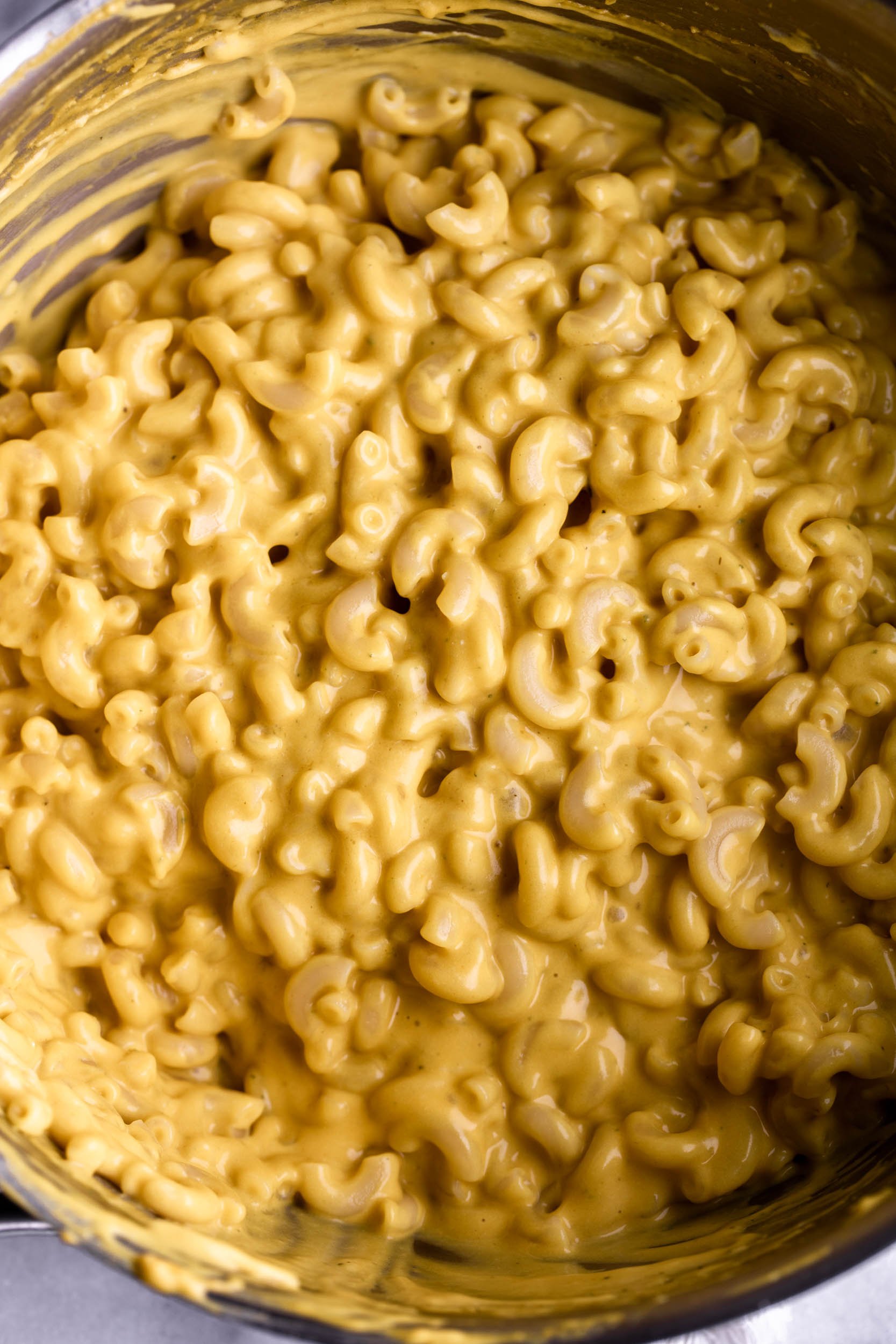
Bring a large pot of water to the boil; add the salt and bring back to the boil. Add the pasta to the boiling water and cook, stirring occasionally, until al dente, about 10 minutes. Drain the pasta and return to the pot. Pour the squash and cheese sauce over the pasta, stirring to combine.
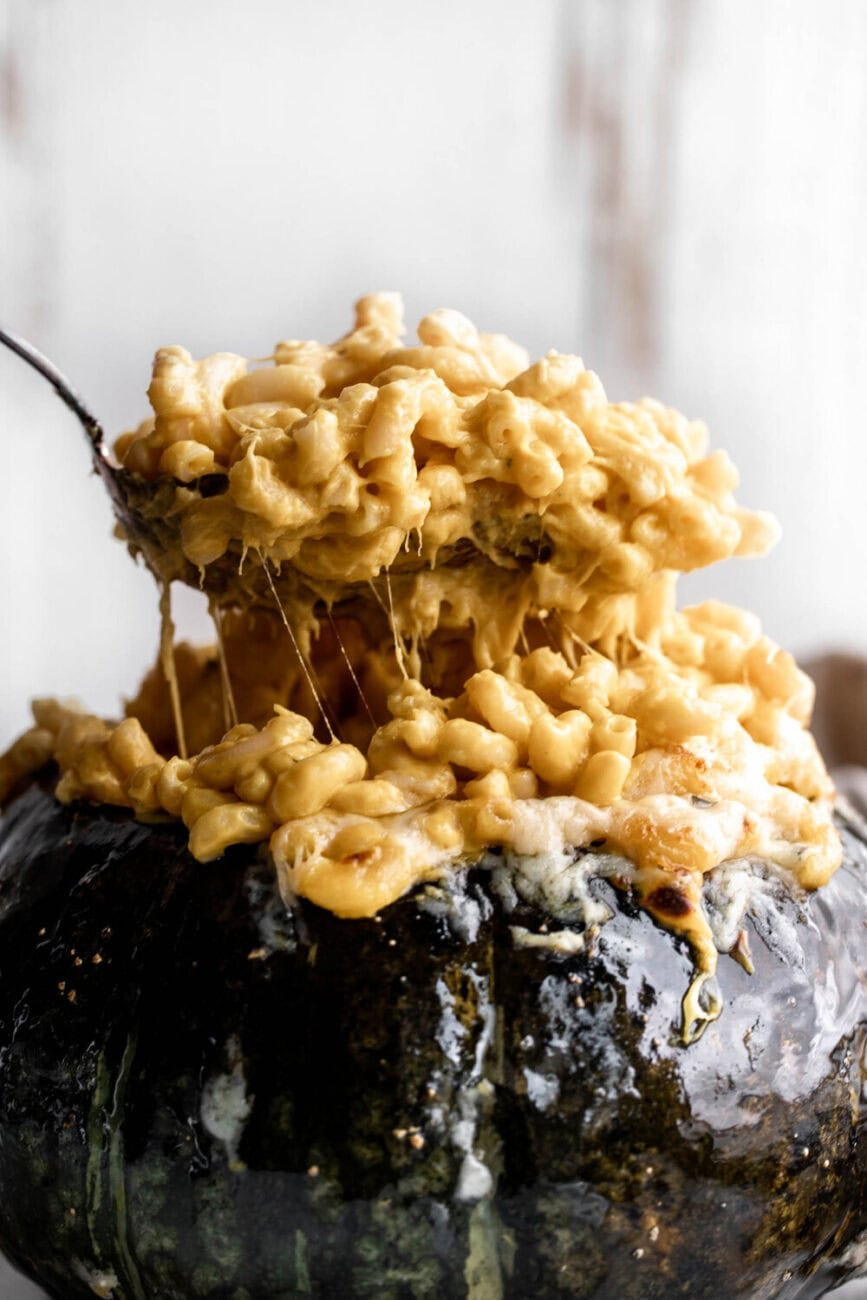
Heat broiler on high. Arrange the roasted squash bowls on a baking sheet. Divide the pasta among the roasted squash serving bowls and top with the remaining gruyere. Broil until the cheese is golden brown, about 2 minutes. Serve immediately.
How to Serve Kabocha Squash Mac and Cheese
- Serve in roasted squash bowls: For a beautiful presentation, spoon the mac and cheese directly into the roasted kabocha squash halves before baking or serving.
- Top with breadcrumbs: Add a layer of buttery panko or crushed crackers for extra crunch and texture contrast.
- Garnish with herbs: Sprinkle fresh sage, thyme, or chives over the top to brighten the rich flavors.
- Pair with a crisp salad: A light arugula or kale salad with lemon vinaigrette balances the creamy, cheesy sauce.
- Make it a fall feast: Serve alongside roasted chicken or pork tenderloin for a cozy, autumn-inspired meal.
How to Store Kabocha Squash Mac and Cheese
- Refrigerate: Store in an airtight container for up to 3 days.
- Reheat: Warm gently in a saucepan over low heat with a splash of cream or broth to loosen the sauce.
- Freeze: Not recommended — dairy-based sauces tend to separate once thawed.
FAQ – Frequently Asked Questions
Yes! Prepare the sauce up to 2 days in advance and store it in the refrigerator. Reheat gently before tossing with pasta.
Yes! Substitute 1 cup of canned pumpkin purée if you’re short on time — it’ll still deliver a smooth, sweet base for the sauce..
Kabocha is slightly sweeter and denser than butternut, with a chestnut-like flavor and a creamier texture when roasted.
No, that’s just for presentation! You can bake and serve this mac and cheese in a traditional baking dish instead.
Other Recipes to Try
Thanks for cooking with me! If you made this recipe, leave a 🌟 rating and share your thoughts or tips below. I’d love to hear from you!
Kabocha Squash Mac and Cheese
Rate this Recipe
Ingredients:
- 2 medium kabocha squash
- 3 tablespoons extra-virgin olive oil
- 3 tablespoons unsalted butter
- 1 teaspoon chopped fresh rosemary
- 2 tablespoons all-purpose flour
- 2 cups whole milk
- 2½ cups shredded Gruyere, divided
- ¾ pound elbow, macaroni or cavatappi pasta
Instructions:
- Heat oven to 400ºF (200ºC).
- Using a sharp chef knife or serrated knife at a 45º angle to cut out the top of the squash. Use a spoon to scoop out the seeds and discard. Rub the inside of the squash and top of the lid with the stem with olive oil and arrange on a baking sheet. Roast until the squash is soft, about 35 minutes.
- Let the squash cool to the touch then use a spoon to scrape the flesh from the inside until you have 1 cup of squash and set aside.
- Heat a large saucepan over medium heat, add the butter and allow to melt. Add the rosemary stirring occasionally until fragrant, about 30 seconds. Stir in the flour and cook until pale golden brown then whisk in the milk. Bring the mixture to a boil then lower the heat to medium-low. Cook, stirring occasionally, until the sauce coats the back of a spoon, about 5 minutes.
- Slowly add 1½ cups of the gruyere stirring until all the cheese has been completely incorporated. Remove from heat and let cool slightly. Add the mixture and the squash to a blender and blend until smooth. Return to the pot.
- Bring a large pot of water to the boil; add the salt and bring back to the boil. Add the pasta to the boiling water and cook, stirring occasionally, until al dente, about 10 minutes. Drain the pasta and return to the pot. Pour the squash and cheese sauce over the pasta, stirring to combine.
- Heat broiler on high. Arrange the roasted squash bowls on a baking sheet. Divide the pasta among the roasted squash serving bowls and top with the remaining gruyere. Broil until the cheese is golden brown, about 2 minutes.
- Serve immediately.
Notes:
Nutrition:
TAG ME ON INSTAGRAM TO BE FEATURED ON MY STORIES! @cookingwithcocktailrings
I made this for dinner tonight and we loved it. We couldn’t find kabocha and substituted with acorn squash, which turned out perfectly. Thanks for the recipe.
I’m so glad you enjoyed! So glad it worked with the acorn squash too – they’re similar so that’s a great swap! Thanks for sharing Carolyn!